
How it works
How the Evalio estimate is calculated
Every Evalio estimate is built from public data and live market trends, then sharpened by the handful of details only you know about your home. Here's exactly what goes into the number.
Public data, regional trends, and AI
Evalio starts from a property's public municipal assessment — the value its city already has on record — and combines it with how prices are trending across that city and region. An AI model trained on Quebec assessment data turns those signals into a current market estimate for any of the millions of addresses we cover.
You never have to enter a private detail to get an estimate. Every address starts with one the moment the page loads, and you can refine it from there.
What the model takes into account
Two homes with the same assessment rarely sell for the same price. Evalio accounts for the things that actually move value.
The city
Where the home is sets its baseline. The model calibrates to each city's own market level and trend, so a value in Kirkland isn't judged against one in Trois-Rivières.
Lot size
The size of the land the home sits on, straight from the public roll — bigger lots carry more value, all else equal.
Interior size
The building's living area. More finished interior space generally means a higher value, and the model weighs it against the city norm.
Four details you control
On any address page you can set four things to match your home exactly: bedrooms, bathrooms, powder rooms, and indoor parking spots. The estimate updates the instant you change them.
The biggest lever: interior finish
One factor outweighs all the others — how the home is finished inside. A dated interior and a designer renovation can be tens of thousands of dollars apart on the very same floor plan. That's why the interior-finish level is the final, decisive input: each step on our seven-point scale changes the estimate by about 9 %.
Pick the level that matches your home — the same scale, preview photos, and grades you'll see on every address page.
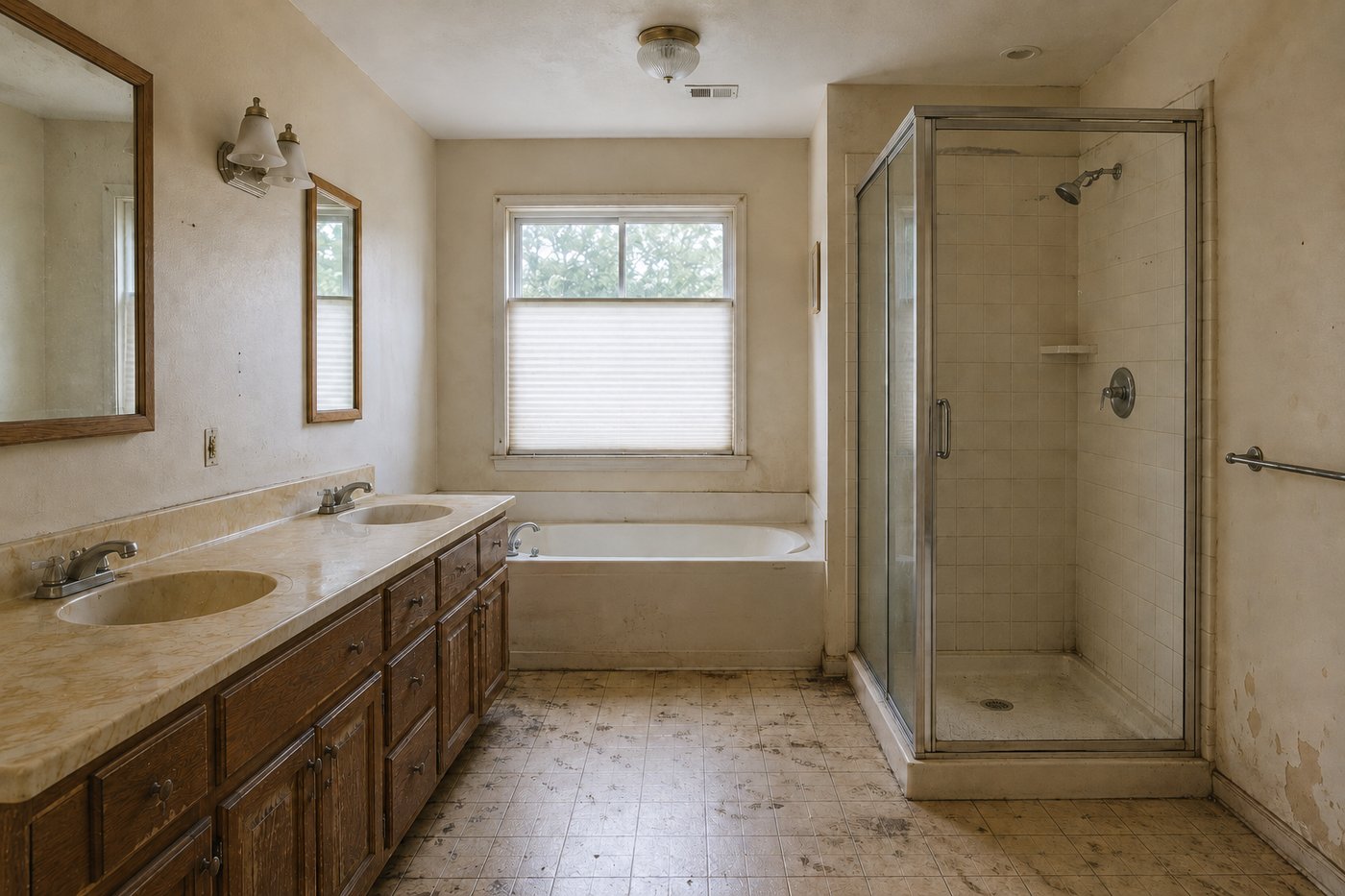 F
F
Needs renovation
Livable, but badly out of date throughout — a renovation project.
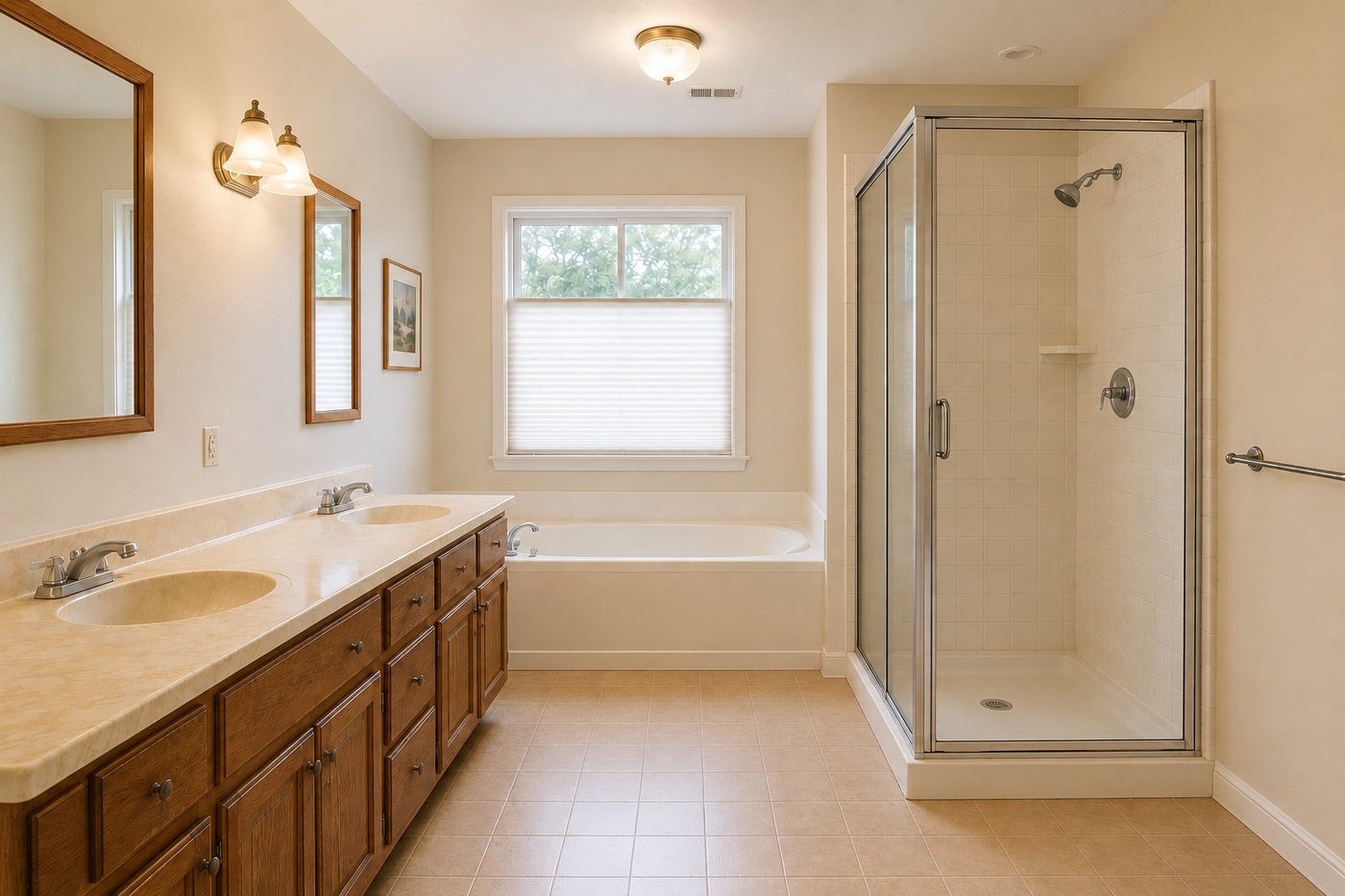 C
C
Original
Construction-era finishes, worn but serviceable.
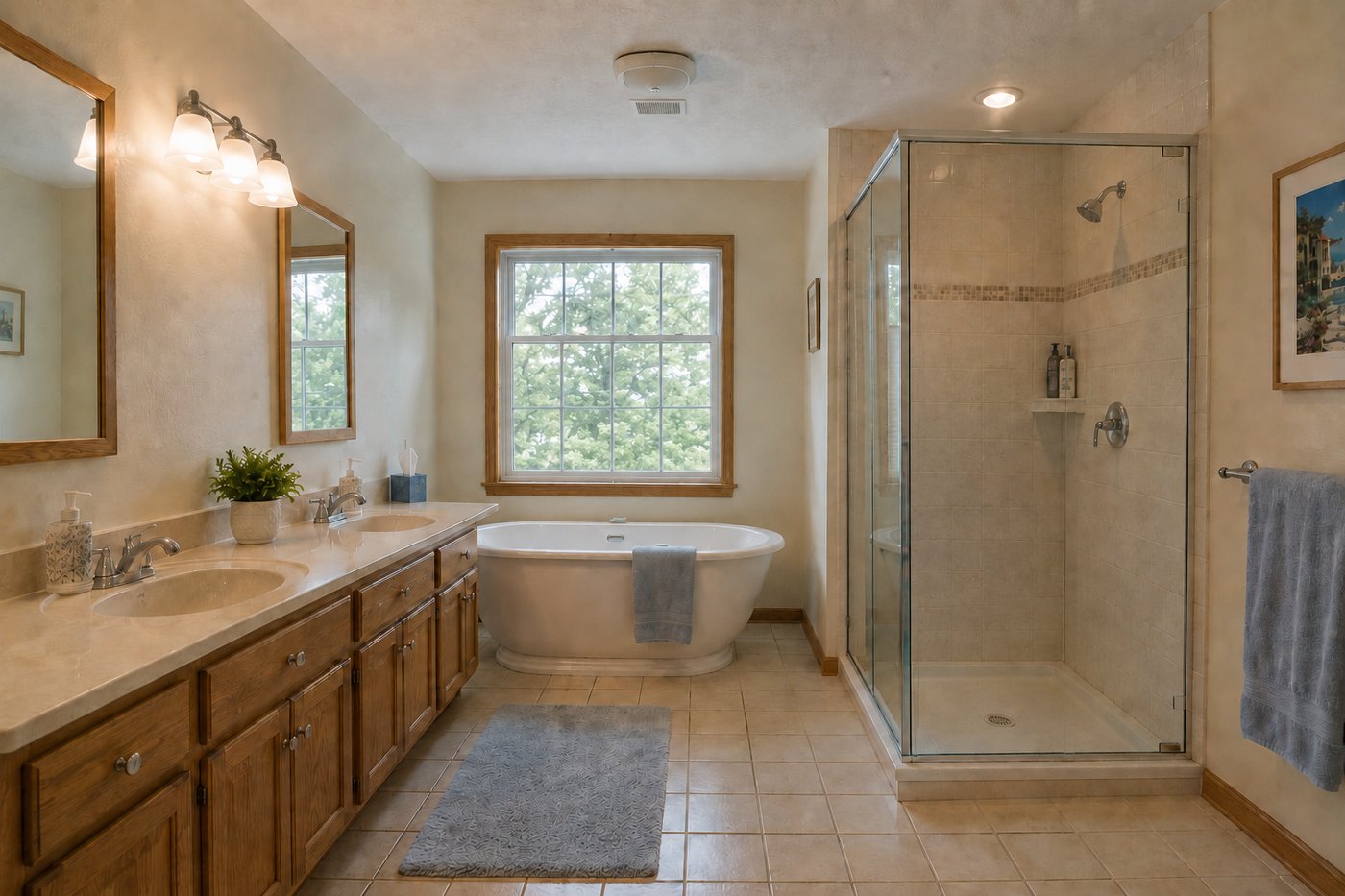 C+
C+
Dated
Functional, with finishes a generation behind.
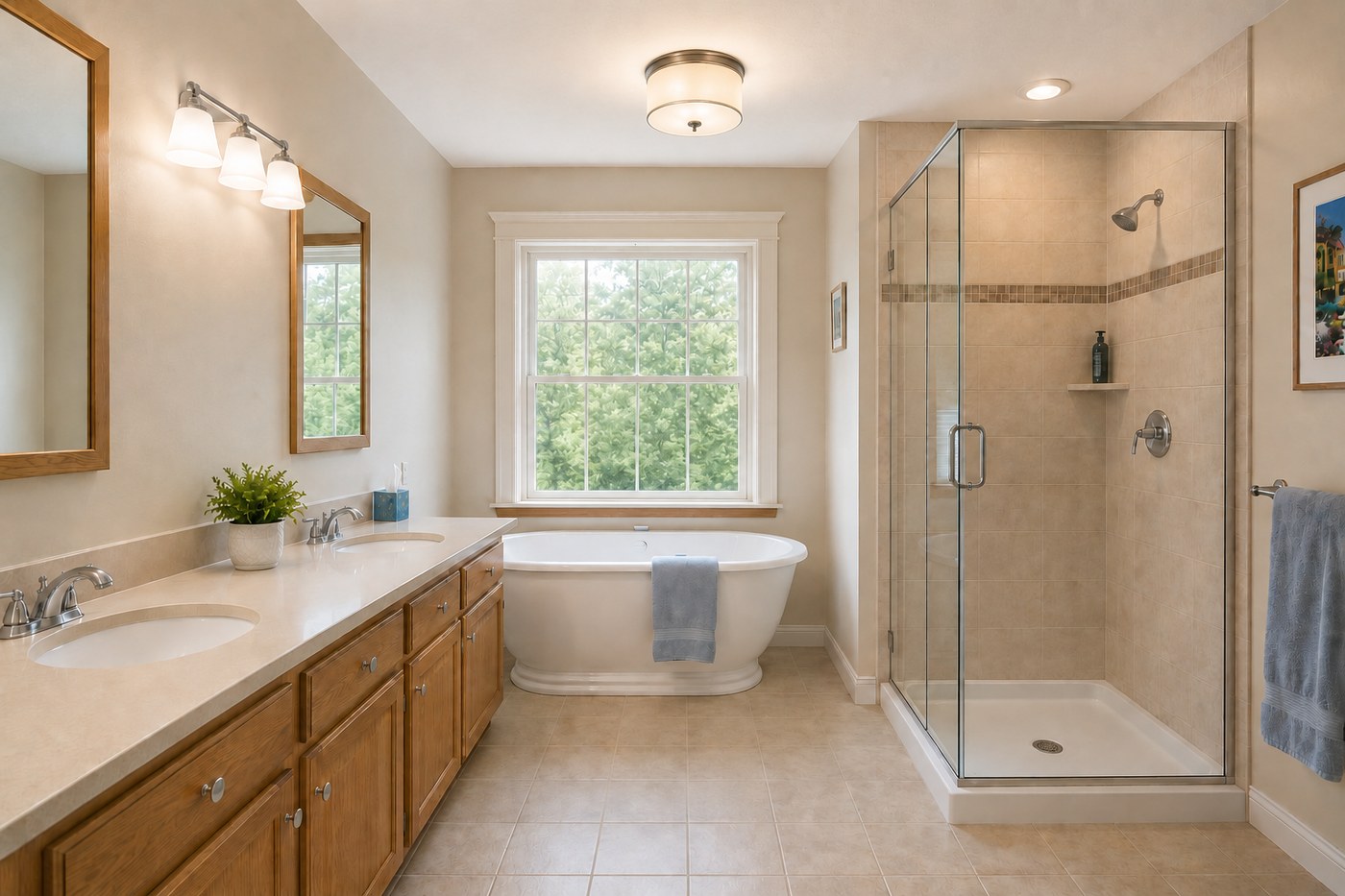 B
B
Standard
The typical, average finish — kept up and current enough.
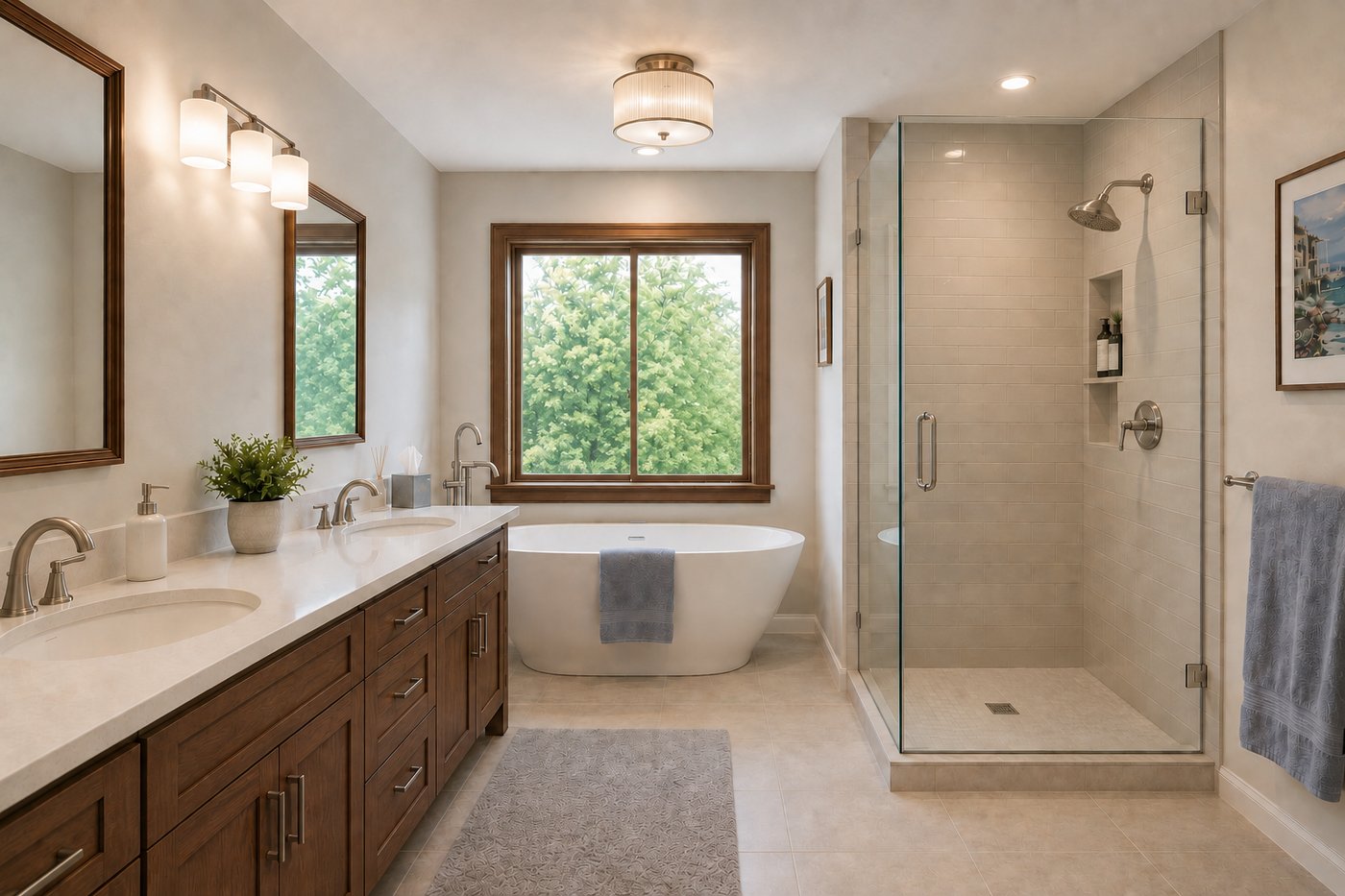 B+
B+
Refined
Tastefully renovated with quality materials.
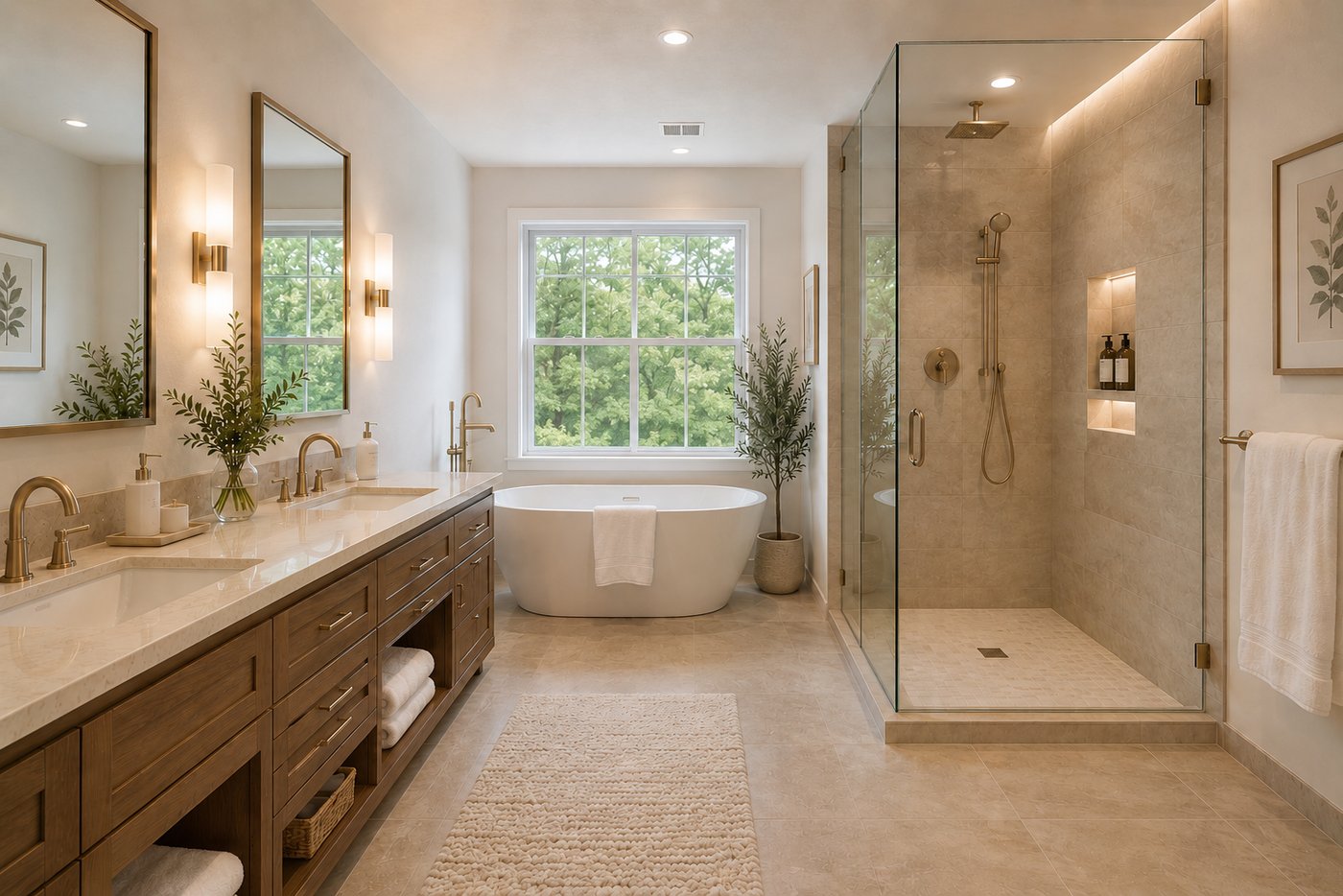 A
A
Premium
High-end finishes and fixtures throughout.
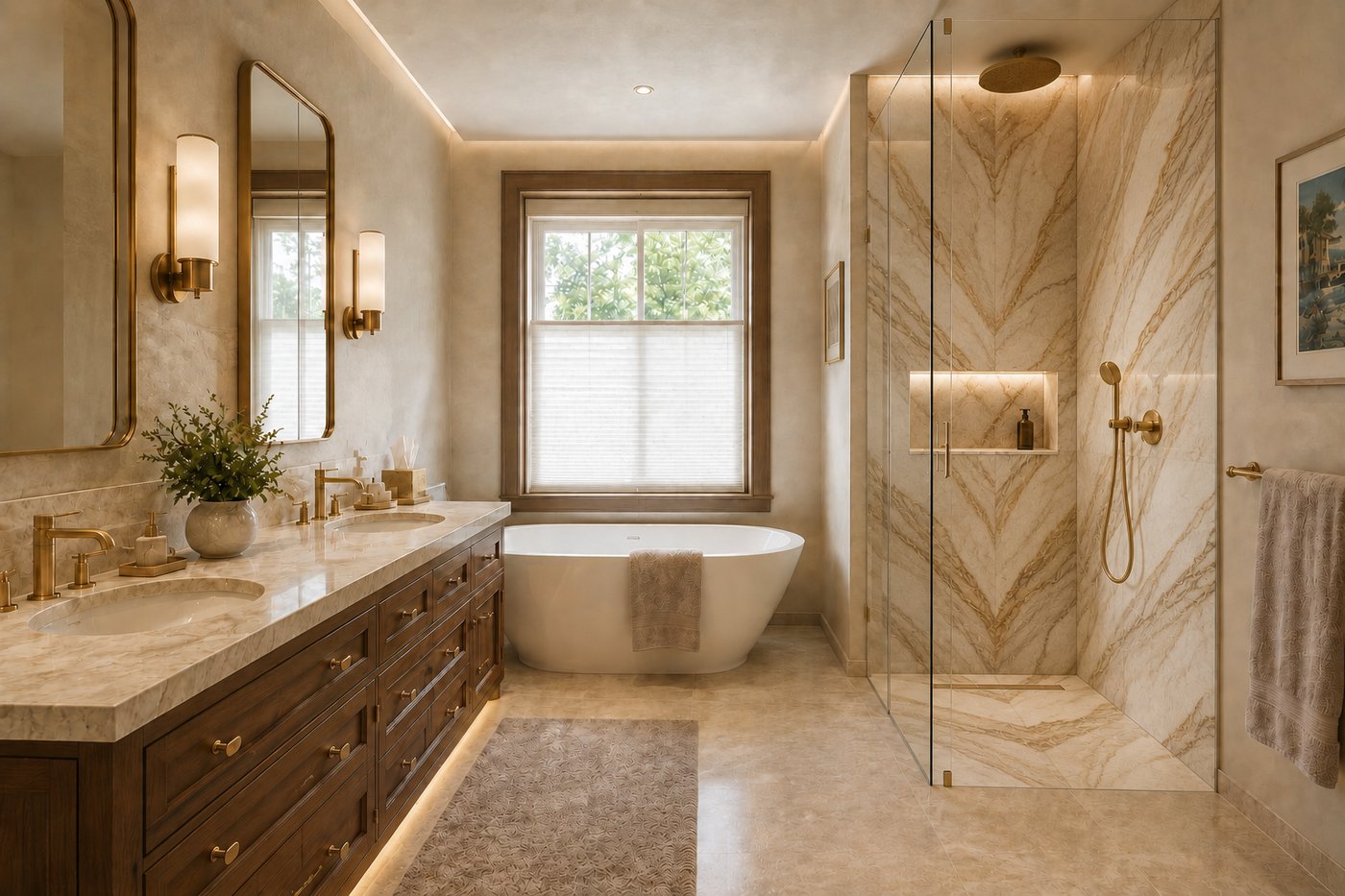 A+
A+
Bespoke
Commissioned from a designer — essentially one of a kind.
Frequently asked questions
What information does the Evalio estimate use?
Every Evalio estimate starts from a property's public municipal assessment and the value trends of its city and region, then uses AI to turn that into a current market estimate — no private details required.
Which property details affect the estimate?
The model weighs the city, the lot size and the building's interior size, plus four details you can set yourself on any address page: bedrooms, bathrooms, powder rooms and indoor parking spots.
What changes the estimate the most?
The interior-finish level. Each step on the seven-point scale moves the estimate by about 9 %, making it the single biggest lever on the final number.
Is this an official appraisal?
No — it's a data-driven estimate for guidance, not a certified appraisal. For a legal or financing decision, consult a licensed appraiser.
See what your home is worth
Search any residential address in Quebec for its Evalio estimate — then refine it in a few clicks.
Estimate your home